Are Your Digital Restaurant Menu Descriptions Costing You Sales?

Restaurant owners spend a lot of time perfecting recipes, pricing dishes, training staff and creating the right atmosphere, yet one of the most powerful sales tools is often treated as an afterthought: the menu description.
A dish description does more than explain what is on the plate. It helps customers understand value, visualise the experience, compare options and feel confident enough to order. When descriptions are too vague, too technical or too short, customers may hesitate, ask staff for clarification or choose a safer option instead of exploring higher-value dishes.
This matters even more in a price-sensitive market. RRD’s Restaurant Consumer Report found that 67% of patrons say the increased cost of restaurant meals is pushing dining out of reach, up from 64% the previous year.
When customers are more cautious about spending, restaurants need to work harder to communicate value. A well-designed digital restaurant menu gives operators more space and flexibility to explain dishes clearly, support menu choices with visuals and reduce the uncertainty that can stop customers from ordering with confidence.
Customers Need Clarity Before They Commit
Most diners are not just choosing food. They are weighing up risk, price, preference, and expectation simultaneously. If a dish sounds unclear, unfamiliar or too vague, the customer has to fill in the gaps themselves. That is where hesitation begins.
A study published in the International Journal of Academic Research in Business and Social Sciences found that menu descriptions are a substantial marketing tool that can influence customers’ purchase intentions and dining experiences. The study also found that the “nature of menu description” was the most prominent factor influencing purchase intention, with a mean score of 3.69 among the tested factors.
For restaurant owners, the practical takeaway is simple: descriptions should not only list ingredients. They should help customers understand what the dish is, what it tastes like, why it is worth ordering and what makes it different from similar options.
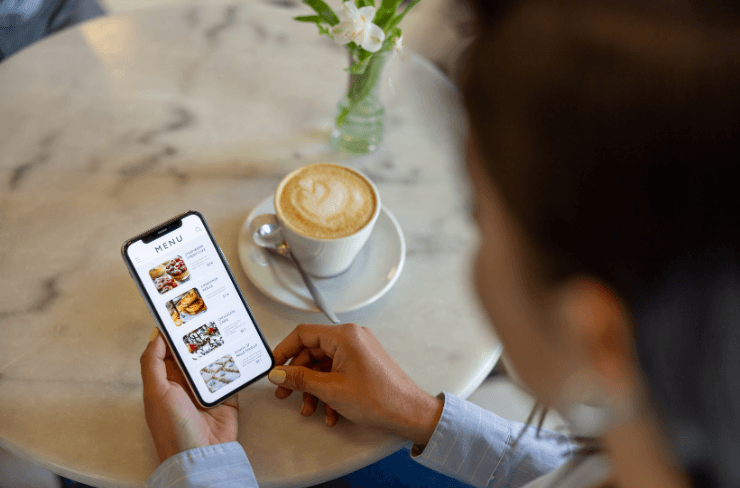
A digital restaurant menu makes this easier because the description does not have to fight for space on a printed page. Restaurants can keep the main menu clean while still allowing customers to access deeper information when they want it.
Vague Descriptions Undersell Good Dishes
Many restaurants have excellent dishes that are not performing as well as they should, simply because their descriptions do not do enough to convey their flavour.
For example, “Grilled Chicken” may be accurate, but it does not create much appetite or confidence. A stronger version could be: “Free-range chicken breast marinated in garlic, lemon and fresh herbs, flame-grilled and served with roasted seasonal vegetables.” The dish has not changed, but the customer now has a clearer sense of flavour, preparation, quality and value.
Good descriptions should usually answer the questions customers naturally have before ordering, such as:
- What are the main ingredients?
- How is it prepared?
- What flavour profile should they expect?
- What does it come with?
- Is there anything premium, local, seasonal or signature about it?
- Is it suitable for specific dietary needs?
The goal is not to make every item sound like poetry. In fact, overwritten descriptions can feel forced or slow customers down. The best descriptions are clear, appetising and useful, giving customers enough information to decide without turning the menu into a novel.
Word Choice Shapes Perceived Value
The words used in a menu description can influence how customers process a dish. An article in the International Journal of Hospitality Management, titled “Writing restaurant menu descriptions: The influence of word choice on consumer behaviour,” examined how consumers process menu wording and how descriptions can help reduce ordering risk.
This is especially relevant for restaurants selling premium items, unfamiliar cuisine or dishes with ingredients that customers may not immediately recognise. If the wording feels too technical, customers may avoid the dish. If it feels too generic, they may not understand why it deserves the price point.
A useful approach is to balance three types of wording:
- Sensory words that help customers imagine taste, texture and aroma, such as crisp, slow-roasted, smoky, creamy or citrus-led.
- Value words that communicate quality or care, such as house-made, seasonal, locally sourced, aged, freshly prepared or hand-cut.
- Clarity words that remove confusion by explaining preparation, ingredients, portion details or dietary suitability.
A QR code menu allows restaurants to test and refine this wording over time. If certain dishes receive attention but fewer orders, the issue may not be the dish itself. It may be the way the dish is described.
Descriptions Should Reduce Staff Pressure
A weak menu description not only affects customers, but also the restaurant and the service team.
When customers do not understand what a dish includes, waiters become the menu’s backup system. They answer the same questions repeatedly, explain ingredients, clarify portion sizes and check dietary details during service. This is part of hospitality, but it becomes inefficient when the menu could have answered those questions upfront.
A digital restaurant menu can reduce this friction by including layered information, such as allergens, nutrition, health details, FAQs, images, videos and portion guidance. Customers who want quick browsing can keep moving, while those who need more detail can access it without waiting for a staff member.
This makes the experience smoother for everyone. Customers feel more informed, staff save time, and the restaurant creates a more consistent explanation of every dish across every table.
Origin and Ingredient Details Can Build Trust
Customers increasingly care about what they are eating and where it comes from. The same menu description study found that 59% of respondents agreed or strongly agreed that the food's origin in the menu description influences customers' purchase decisions.
This does not mean every dish needs a full sourcing story. However, when the origin genuinely adds value, it should be included. If the beef is locally sourced, the fish is line-caught, the vegetables are seasonal, or the sauce is made in-house, customers should know that.
A QR code menu is particularly useful here because restaurants can provide extra context without crowding the main description. For example, the main menu could mention “locally sourced lamb,” while an expanded section could explain the supplier, the preparation method, or the sustainability benefit.
That kind of transparency helps customers understand why a dish is priced the way it is, which is especially important when diners are more conscious of value.
Descriptions and Visuals Should Work Together
Descriptions are powerful, but they become even stronger when supported by visuals. A customer can read that a dish is colourful, generous or beautifully plated, but seeing it removes uncertainty much faster.
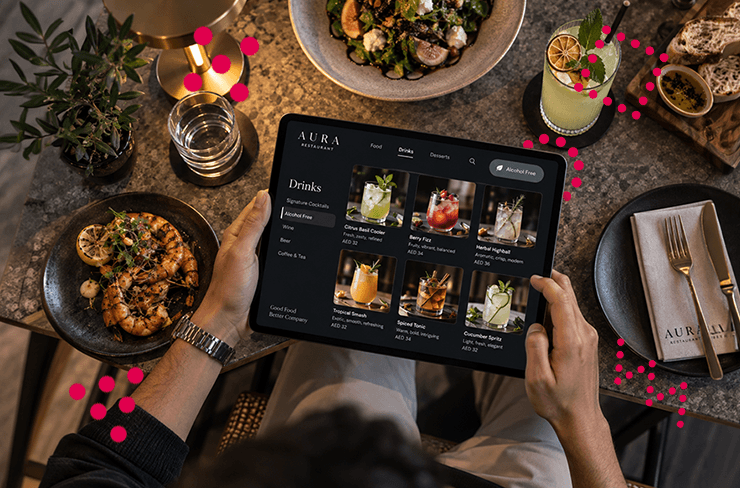
A digital restaurant menu allows restaurants to pair descriptions with high-quality images or short videos. This is particularly helpful for:
- Signature dishes that deserve extra attention.
- Premium items where customers want reassurance before spending more.
- Unfamiliar cuisine where visuals reduce uncertainty.
- Desserts and drinks, where appetite appeal often drives impulse orders.
- Dishes with strong presentation, portion size or sharing value.
The important point is consistency. Poor-quality images can damage trust, while professional visuals can strengthen the description and make the dish easier to choose. Restaurants should prioritise images for items that benefit most from visual explanation rather than trying to photograph everything without a clear plan.
Better Descriptions Can Improve Menu Performance Over Time
One of the biggest advantages of a digital restaurant menu is that descriptions are not permanent. Restaurants can update, test, and improve them based on customer behaviour.
If a dish receives low engagement, the description may not be attractive enough. If customers view an item often but rarely order it, the price, image or description may be creating hesitation. If staff keep getting the same question, that information should be added to the menu.
This turns menu writing into an ongoing performance tool rather than a once-off copywriting task. Restaurants can keep improving the way dishes are presented, using real customer behaviour and staff feedback to guide changes.
Over time, this can support better customer decisions, stronger dish performance and a smoother ordering experience.
Final Thoughts
Menu descriptions are not small details. They shape how customers understand your food, how confidently they order and how much value they perceive before the dish arrives.
In a market where diners are more selective about spending, restaurants cannot afford descriptions that are vague, confusing or uninspiring. Clearer wording, better ingredient information, stronger visuals and more useful details can all help customers feel more confident in their choices.
A well-structured digital restaurant menu, such as Redro, gives restaurants the flexibility to make descriptions more helpful without overwhelming the customer. It allows operators to explain value, answer questions, support staff and improve menu performance over time.
Sometimes, increasing sales does not require changing the dish. It simply requires describing it better.
Join the Culinary Revolution!
Transform your dining experience with Redro. Boost efficiency, delight diners, and fire up your sales. It’s more than a menu—it’s a game-changer for your brand.