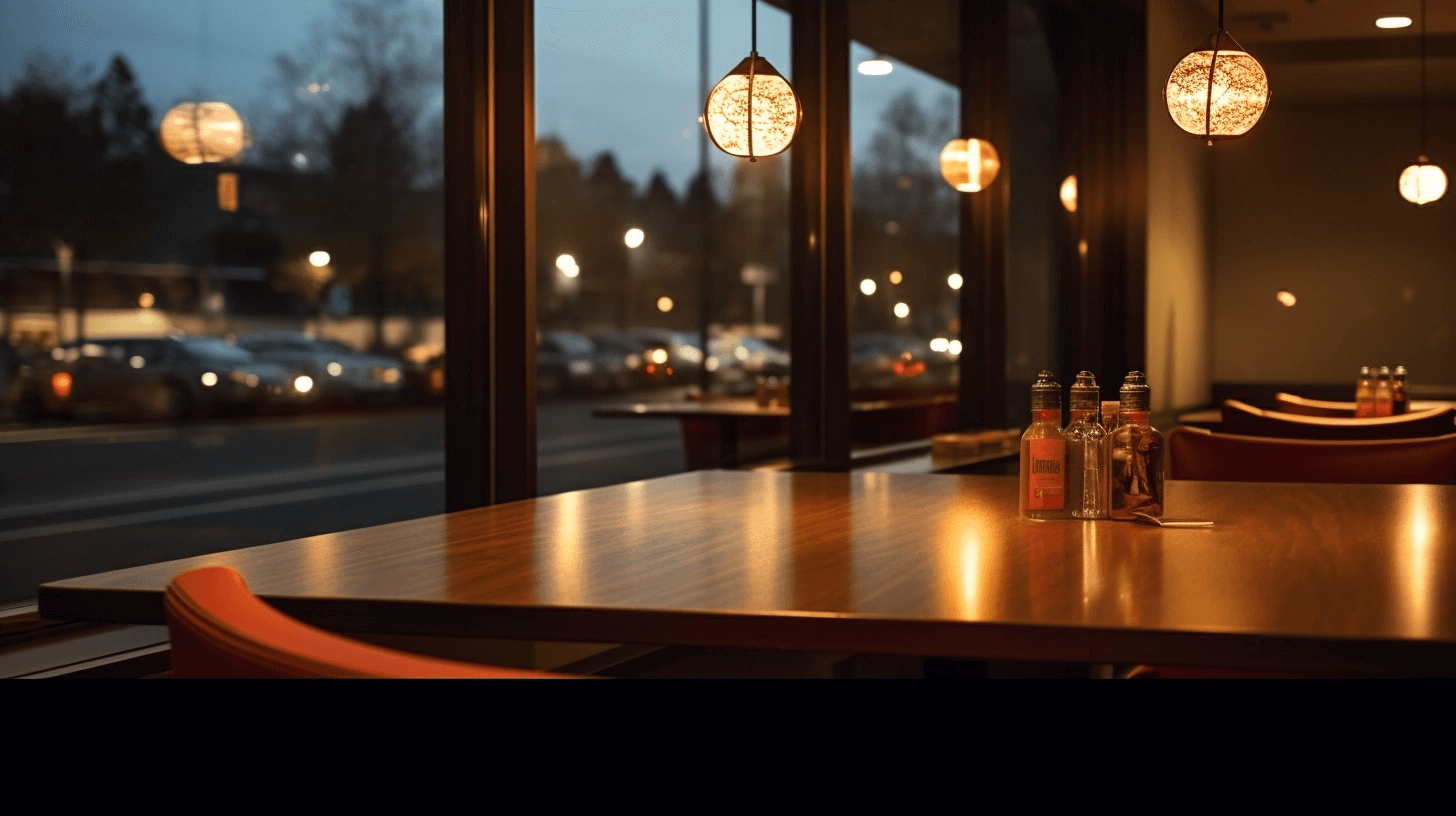
How to Design a Digital Menu That Reflects Your Brand

Your menu is often the first real interaction a customer has with your restaurant. Before the food arrives, before the service begins, your menu sets expectations. It tells your story, communicates your style, and shapes how customers perceive your brand.
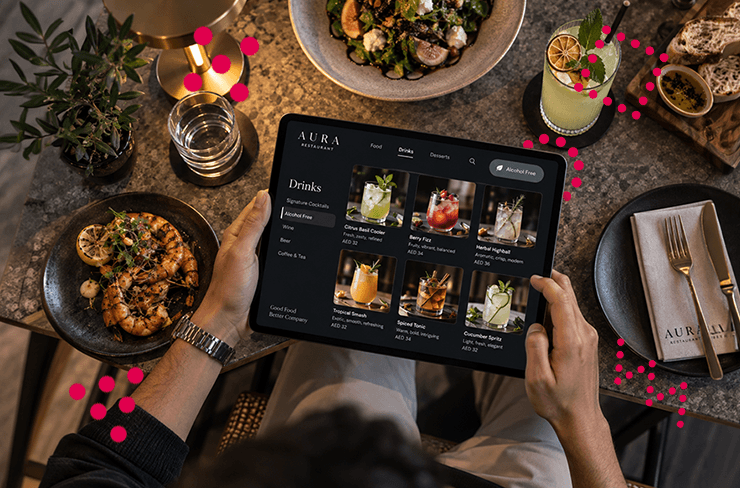
A well-crafted digital restaurant menu does more than display dishes - it reinforces your identity. From colours and visuals to tone of voice and layout, every element should feel intentional and aligned with your brand.
Here’s how to design a menu that not only looks good but feels like your restaurant.
Start with a Clear Brand Identity
Before designing anything, you need clarity on what your brand represents. Are you casual and playful? Elegant and refined? Modern and minimalist?
Your electronic menu should reflect this consistently. If your restaurant has a relaxed, street-food vibe, your menu should feel approachable and easy to navigate. If you’re a fine dining concept, the design should feel polished, refined, and carefully structured.
This consistency builds trust. When customers see alignment between your menu and your overall experience, it reinforces your brand at every touchpoint.
Use Colours That Match Your Atmosphere
Colour plays a bigger role than most people realise. It influences mood, appetite, and perception.
Your electronic menu should use colours that match your restaurant’s interior, branding, and overall feel. For example:
- Warm tones can create a welcoming, comforting atmosphere
- Dark tones can feel premium and sophisticated
- Bright colours can feel energetic and modern
Avoid using too many colours at once. A clean, consistent palette makes your digital restaurant menu easier to read and more visually appealing.
Choose Fonts That Are Clear and On-Brand
Typography is often overlooked, but it has a strong impact on how your menu is perceived.
Your electronic menu should use fonts that are easy to read on all devices. At the same time, they should reflect your brand personality.
For example:
- A modern restaurant may use clean, simple fonts
- A traditional concept may use more classic typography
- A playful brand may use slightly more expressive styles
The key is balance. Your fonts should enhance the experience, not distract from it.
Align Your Visuals with Your Brand Style
Images are one of the most powerful elements in a digital restaurant menu, but they need to be consistent.
If your brand is premium, your images should feel refined and professionally styled. If your concept is casual, your visuals can feel more relaxed and natural.
Consistency matters more than perfection. Mixing different styles - for example, polished and low-quality images - can make your menu feel disjointed.
A cohesive visual style strengthens your brand and makes your electronic menu feel more intentional.
Write Descriptions That Match Your Tone
Your menu descriptions are an opportunity to communicate your brand voice.
A formal restaurant may use more refined language, while a casual concept may use a more conversational tone. Your electronic menu should reflect how you would naturally speak to your customers.
For example:
- Formal: “Pan-seared salmon served with a lemon butter sauce”
- Casual: “Fresh salmon, pan-seared and finished with a zesty lemon butter”
Both are clear, but they create different impressions.
Consistency in tone helps your digital restaurant menu feel authentic and aligned with your overall experience.
Keep the Layout Clean and Intentional
A cluttered menu creates confusion and weakens your brand. A clean layout, on the other hand, feels professional and easy to navigate.
Your electronic menu should use spacing, headings, and structure to guide customers naturally through it. Avoid overcrowding sections or cramming too much information into one screen.
A simple, well-organised digital restaurant menu makes it easier for customers to focus on the food rather than trying to figure out where to look.
Highlight What Makes You Unique
Every restaurant has something that sets it apart. Your menu should make that clear.
Whether it’s signature dishes, unique ingredients, or a specific cooking style, your electronic menu should highlight what makes your brand different.
This could be done through:
- Featured sections like “Chef’s Specials”
- Short notes about ingredients or sourcing
- Visual emphasis on standout dishes
When customers understand what makes your restaurant unique, they are more likely to remember it.
Ensure Consistency Across All Platforms
Your menu doesn’t exist in isolation. It should align with your website, social media, and in-restaurant experience.
A digital restaurant menu that feels disconnected from your branding can create confusion. Colours, tone, and visuals should feel consistent across all platforms.
This consistency strengthens brand recognition and creates a more seamless customer experience.
Make It Accessible on All Devices
Your menu needs to look good everywhere - not just on one screen.
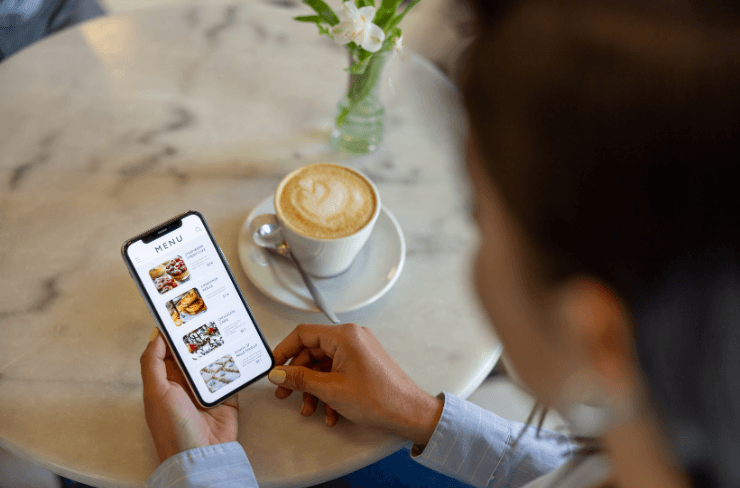
A digital menu should be optimised for mobile devices, as most customers will access it on their phones. It should also work smoothly on tablets and desktops.
Ensure that text is readable, images load properly, and navigation feels intuitive across devices.
Accessibility is part of your brand experience. If your menu is difficult to use, it reflects poorly on your restaurant.
Keep It Flexible and Easy to Update
Your brand evolves, and your menu should evolve with it.
One of the biggest advantages of a digital restaurant menu is the ability to update content quickly. Whether you’re introducing new dishes, seasonal items, or special menus, your menu should always reflect your current offering.
This flexibility allows you to stay relevant while maintaining a consistent brand identity.
Final Thoughts
Your menu is more than a functional tool - it’s a reflection of your restaurant.
A well-designed electronic menu clearly communicates your brand, builds customer trust, and enhances the overall dining experience. Every detail, from layout to language, contributes to how your restaurant is perceived.
When your QR code menu aligns with your brand, it doesn’t just inform - it creates a lasting impression.
.png)
Join the Culinary Revolution!
Transform your dining experience with Redro. Boost efficiency, delight diners, and fire up your sales. It’s more than a menu—it’s a game-changer for your brand.