Why Restaurant Digital Menus Have Become a Customer Experience Tool, Not Just a Sales Tool

For decades, restaurant menus served a straightforward purpose: they listed available dishes and prices, helping customers decide what to order. Today, however, menus play a far more influential role in the dining experience.
Modern consumers arrive with different expectations. They want transparency, convenience, personalisation, and information. Before placing an order, they often want to know where ingredients come from, whether a dish suits their dietary needs, how large the portion is, and whether it offers value for money. In many cases, the menu becomes the first meaningful interaction a customer has with a restaurant.
This shift is particularly important because customer expectations continue to rise. According to Toast's Restaurant Trends Report, 78% of diners review a restaurant's menu online before deciding where to eat.
This means that your digital restaurant menu is no longer just a list of dishes. It has become a critical customer experience touchpoint that influences purchasing decisions, customer satisfaction, and even brand perception before a guest enters your restaurant.
Modern Diners Want Information, Not Just Choices
The way customers evaluate restaurants has changed significantly over the past decade. Access to information is now expected in almost every aspect of life, and dining is no exception.
Today's customers want to make informed decisions. They often research menus beforehand, compare options between restaurants, and look for information that helps them feel confident about their choices.
A study from the National Restaurant Association found that consumers increasingly value transparency around ingredients, sourcing, nutritional information, and preparation methods.
Traditional printed menus struggle to accommodate these growing information demands. Space limitations often force restaurants to choose between simplicity and detail. As a result, customers are left asking questions that could have been answered directly through the menu.
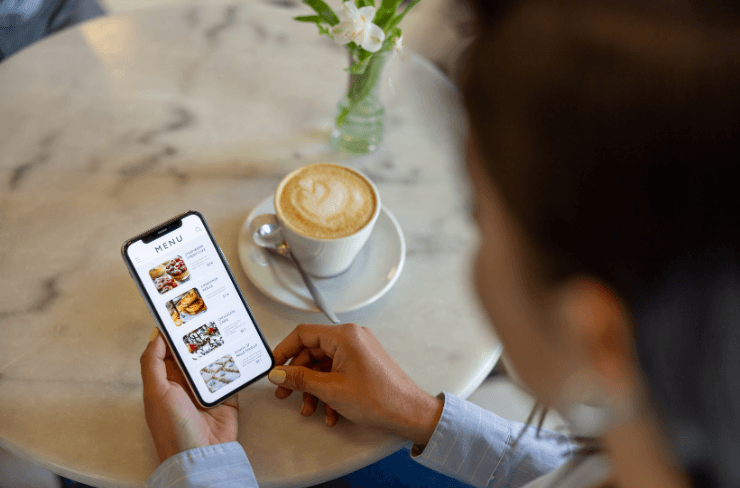
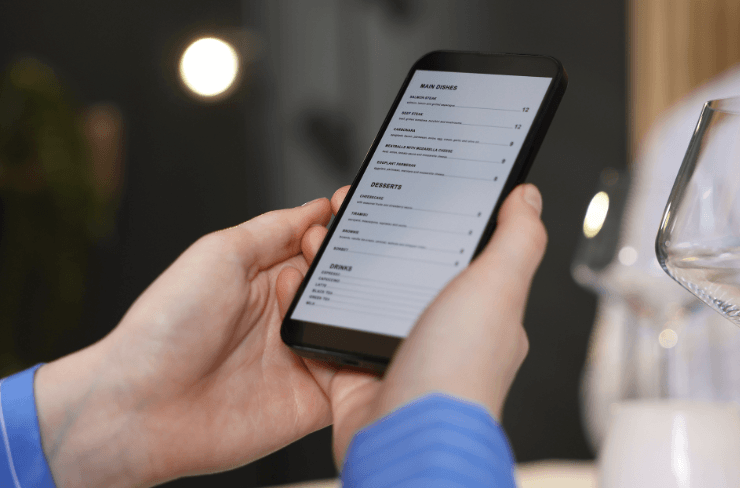
A well-designed digital restaurant menu solves this challenge by allowing restaurants to provide information in layers. Customers can access detailed descriptions, nutritional information, ingredient details, and FAQs without overwhelming the overall menu experience.
The result is greater customer confidence and fewer interruptions during service.
Customer Confidence Directly Impacts Revenue
Many restaurant owners focus on pricing strategies when trying to increase revenue, but customer confidence often plays an equally important role.
When customers fully understand a dish, they are far more likely to explore unfamiliar menu items, order premium dishes, and add complementary products to their order. Conversely, uncertainty often pushes customers toward safer, lower-value options.
This behaviour aligns with broader trends in customer experience. According to PwC's Future of Customer Experience report, 73% of consumers say customer experience is an important factor in their purchasing decisions, yet only 49% feel businesses consistently deliver a good experience.
In a restaurant, the menu plays a significant role in shaping the experience. When customers can easily understand what they're ordering, confidence increases. When information is missing or difficult to find, hesitation follows.
A QR code menu helps bridge this gap by providing access to images, ingredient information, FAQs, dietary details, and other content that removes uncertainty from the decision-making process.
The outcome is not simply better ordering behaviour. It's a better customer experience overall, which often translates into stronger customer satisfaction and increased spending.
The Dining Experience Starts Long Before the Food Arrives
Restaurants often invest heavily in food quality, service training, and interior design. While these elements remain essential, they only represent part of the customer journey.
The dining experience begins the moment a customer opens the menu.
At that stage, diners are already forming opinions about:
- The professionalism of the restaurant
- The quality of the food
- The value being offered
- The overall dining experience
- Whether the restaurant feels trustworthy
Every interaction with a digital restaurant menu contributes to these perceptions.
If the menu feels confusing, outdated, or difficult to navigate, customers may subconsciously associate those frustrations with the broader restaurant experience. On the other hand, a menu that feels intuitive, informative, and visually appealing helps build trust before an order is even placed.
This is particularly important because first impressions are difficult to reverse. A positive menu experience sets the tone for everything that follows.
Personalisation Is Becoming an Expectation
The modern diner is not a single customer profile.
Some customers prioritise nutritional information. Others focus on allergens, sustainability, dietary preferences, or ingredient sourcing. Some simply want recommendations that help them discover new dishes.
Meeting these diverse needs through a traditional menu is increasingly difficult.
This is where a QR code menu provides a significant advantage. Instead of forcing every customer to navigate the same experience, restaurants can offer varying levels of information depending on individual needs.
Customers can explore:
- Nutritional information
- Health details
- Dietary suitability
- Ingredient sourcing
- Sustainability information
- Frequently asked questions
without cluttering the primary menu experience.
This level of personalisation helps customers feel understood and supported while reducing pressure on restaurant staff.
Better Experiences Drive Better Business Outcomes
Customer experience is often discussed separately from financial performance, but the two are closely connected.
Research from Deloitte found that customer-centric businesses are 60% more profitable than companies that do not prioritise customer experience.
For restaurants, improving the menu experience can positively influence several key performance indicators:
- Faster customer decision-making
- Improved customer satisfaction
- Higher average order values
- Better online reviews
- Increased repeat visits
- Stronger customer loyalty
These improvements rarely come from one major change. Instead, they result from multiple small improvements that remove friction throughout the dining journey.
Because every customer interacts with the menu, it remains one of the most impactful places to improve the overall experience.
Why Transparency Is Becoming a Competitive Advantage
Consumers increasingly reward businesses that are transparent and informative.
According to a Label Insight study, 94% of consumers say they are more likely to be loyal to brands that offer complete transparency.
While this research spans multiple industries, the principle applies strongly within hospitality.
Customers want to know what they are eating, where it comes from, and whether it aligns with their preferences and values.
A digital restaurant menu allows restaurants to provide this transparency without sacrificing design or usability. Instead of overwhelming customers with information, restaurants can present it when and where it is needed.
This creates a more informed customer base while strengthening trust in the brand.
Looking Beyond the Transaction
One of the biggest mistakes restaurants make is viewing menus purely as sales tools.
The reality is that menus influence almost every stage of the customer journey. They educate customers, answer questions, build confidence, support decision-making, reinforce branding, and contribute to customer satisfaction.
The most successful restaurants increasingly view their QR code menu as an extension of the dining experience itself.
Rather than asking, "How do we display our dishes?" they ask, "How do we help customers make better decisions?"
That subtle shift in mindset often leads to stronger customer relationships and better business outcomes.
Final Thoughts
Restaurant menus have evolved far beyond their traditional role.
They are no longer simply lists of dishes and prices. They have become customer experience tools that influence perception, confidence, satisfaction, and loyalty. As customer expectations continue to rise, restaurants that use their digital restaurant menu, such as Redro, to inform, reassure, and engage diners will be better positioned to stand out in a competitive market.
Ultimately, the question is no longer whether menus affect customer experience. The question is how effectively your menu contributes to it.

Join the Culinary Revolution!
Transform your dining experience with Redro. Boost efficiency, delight diners, and fire up your sales. It’s more than a menu—it’s a game-changer for your brand.