Why Every Dish Deserves Its Own Page on a Digital Restaurant Menu
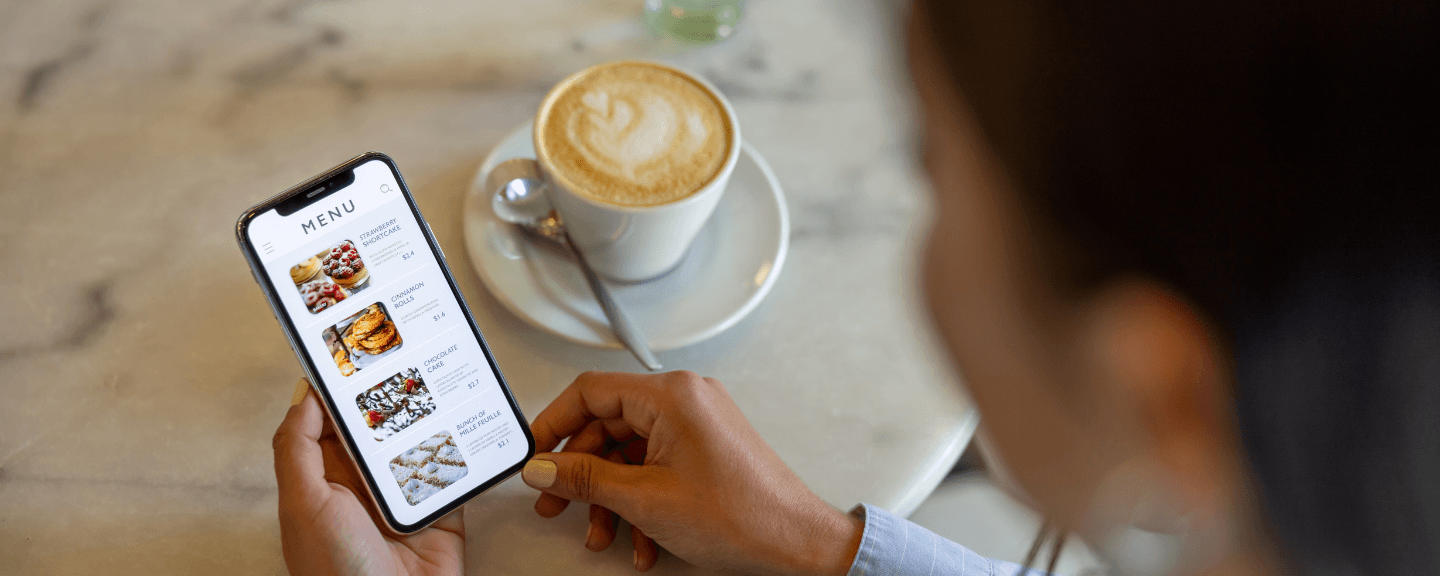
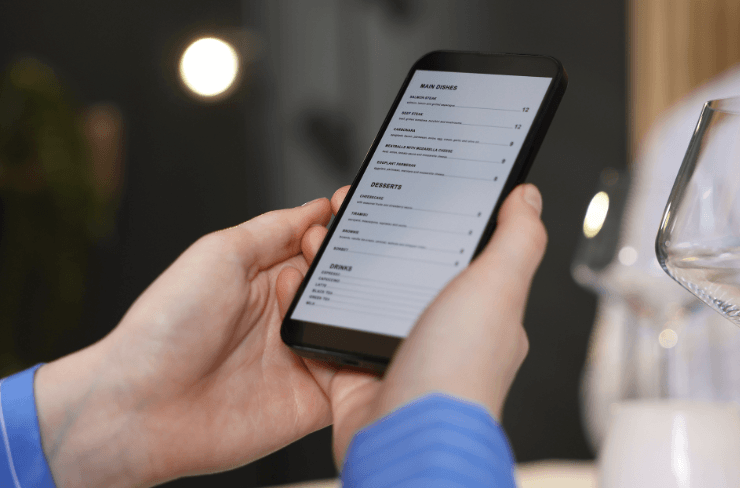
Most restaurant menus treat every dish as a row in a list. The name, price and a short description sit beside dozens of alternatives, competing for attention in the few seconds a customer spends scrolling. That format works for comparison, but it gives the restaurant very little room to explain why a particular dish matters, who it suits or what makes it worth choosing.
Giving each dish its own page changes the role of a digital restaurant menu. The main menu remains quick to browse, while customers who want more detail can open a focused page containing the information, imagery and context relevant to that one item. The page can also be shared directly and, when built correctly, discovered beyond the table. A QR code menu then becomes both an in-restaurant browsing tool and a collection of useful digital destinations.
A Dish Page Creates Space for Better Decisions
Customers do not need the same amount of information for every decision. A familiar soft drink may need little more than a name and price. A premium cut, regional speciality or unfamiliar sharing dish carries more uncertainty. Customers may want to understand the ingredients, preparation, portion size, dietary suitability, or the reason for the price before committing.
A hospitality study involving 293 customers found that menu information influenced attitudes and behavioural intentions differently across restaurant segments. Preparation and ingredient information were particularly influential for high- and mid-scale restaurants, while product characteristics mattered most in the lower-price segment. The operational lesson is not to add every possible detail everywhere. It is to give each item the information customers need to evaluate it.
A dedicated page supports that layered approach. The category view can stay clean, while the individual page answers deeper questions without forcing every customer through a wall of copy. This separates fast scanning from informed consideration, allowing both behaviours to happen naturally.
A Searchable Menu Needs More Than One Generic URL
The discovery value depends on the structure. Google’s developer guidance recommends giving each screen or piece of content its own URL, making pages reachable via crawlable links, and ensuring that important information is visible as text. A single menu screen that changes dynamically without distinct URLs may be useful to the customer in front of it, but it gives search engines fewer clear pages to understand.
Each item page should therefore have a stable address, a concise heading and text that accurately identifies the dish. Google’s title guidance also recommends distinct, descriptive page titles because the title link is often the main information people use when deciding which search result to open. A page called simply “Menu Item” communicates very little. “Truffle Mushroom Risotto | Restaurant Name” is clearer to customers and search engines.
This does not guarantee that every dish will rank in search results. Indexing and visibility depend on technical accessibility, content quality, competition and wider website authority. The value is that the restaurant has created an eligible, understandable asset rather than hiding every dish behind a single generic menu.
What Belongs on an Individual Menu Item Page?
The page should help a customer decide, not bury them in content. Restaurants should build a repeatable structure and then use only the fields that add value for the specific item. A useful page may include:
- A clear dish name, price and concise description focused on flavour, preparation and the main point of difference.
- High-quality images or a short video that accurately represents presentation, portion and texture.
- Ingredients, nutritional information, health information, sustainability information and dietary suitability where relevant.
- A short FAQ for predictable questions, such as spice level, serving size or whether an ingredient can be omitted.
- Useful cross-sells or upsells that genuinely complete the choice, such as a sauce, side, drink or dessert pairing.
Priority matters. Start with signature dishes, premium items, unfamiliar cuisine, visually distinctive products and dishes that repeatedly generate staff questions. These pages are most likely to benefit from additional explanation. Low-consideration items can remain simpler.
The copy should follow the same principles used to write menu descriptions that build confidence. The page is not an excuse to repeat information or write a miniature essay. Every element should reduce uncertainty, communicate value or make the dish easier to discover.
Images Become More Useful When the Page Has Context
An individual page also gives every food image a clearer context. Google’s image guidance explains that the content and metadata of the page surrounding an image can influence how and where it appears in search. It recommends placing images near relevant text and using useful, descriptive alt text rather than generic filenames or keyword stuffing.
For restaurants, this means that a strong image of a signature dish should not sit in a gallery without an explanation. It should appear alongside the dish name and relevant details on a page dedicated to that item. The customer gets a more convincing preview, and the image has a clearer relationship to the surrounding content.
One Dish Page Can Support Several Customer Journeys
A customer may reach the same page by scanning a table code, searching for a dish, opening a WhatsApp recommendation or tapping a social post. That makes the individual page more versatile than a fixed menu position. Restaurants can share the exact item being promoted instead of asking customers to open a full QR code menu and search for it themselves.
This is especially useful for chef’s specials, seasonal dishes and event menus. A restaurant promoting a limited dish can direct attention straight to the relevant page, where the customer sees the current description, price, visuals and supporting information. Because the menu remains the single source of truth, any update made by the restaurant is reflected wherever that page is opened.
The same page can also support commercial decisions inside the restaurant. Thoughtful pairings and recommendations connect naturally with the wider goal of increasing average order value without turning every interaction into a hard sell.
Measure the Dish, Not Only the Menu
Once every important dish has a distinct page, a digital restaurant menu can generate more useful behavioural signals. Restaurants can compare which items attract attention, which pages hold interest, and which dishes create hesitation. Those patterns are more actionable than knowing only that someone opened the menu.
Use the data to ask specific operational questions:
- High page views but weak ordering: is the price, description, imagery or portion expectation creating doubt?
- Low page views for a profitable dish: is it difficult to find, poorly named or placed in the wrong category?
- Repeated FAQ use: Should the key answer move into the main description or be clarified by staff?
- Strong interest in a seasonal item: should a similar flavour, format or price point be tested on the core menu?
The aim is not to optimise every item every week. Review a manageable group of priority dishes, make one meaningful change at a time and compare behaviour over a suitable service period. This keeps menu improvement connected to evidence rather than preference.
Turn Every Important Dish Into a Discoverable Asset
A QR code menu should still make the full range easy to browse. Individual item pages add a second layer: a focused destination for customers who need more information and a shareable asset for restaurant marketing. Redro supports separate pages for menu items alongside images, videos, detailed information, social sharing, Google-indexable menus, menu analytics and customer behaviour analytics.
The main takeaway is not that every simple item needs a long page. It is that a restaurant’s most important dishes should not be trapped inside a list. Give them enough space to be understood, shared, measured and improved, and the menu begins working before, during and after the restaurant visit.

Join the Culinary Revolution!
Transform your dining experience with Redro. Boost efficiency, delight diners, and fire up your sales. It’s more than a menu—it’s a game-changer for your brand.