Why Alcohol Free Drinks Need More Than a Mocktail Section on your Digital Restaurant Menu
Alcohol-free drinking is moving beyond designated drivers and January abstinence. Recent Gallup polling found that the share of US adults who drink alcohol had fallen to 54%, the lowest point in Gallup's nearly 90-year trend. At the same time, 53% said moderate drinking is bad for health, the first majority to hold that view. The direction is clear, even if the pace varies by market: more guests are reconsidering when, why and how much they drink.
For restaurants, the opportunity is not solved by adding one sweet mocktail at the bottom of the drinks list. Guests who choose not to drink may still want complexity, ritual, food pairing, and a sense of occasion. When the alternative feels like a lesser product, the restaurant loses beverage revenue, and the guest loses part of the experience.
The better response is to manage alcohol-free drinks as a genuine category. A well-structured digital restaurant menu can make that range easier to discover and understand, but the commercial work begins with the offer itself: what role each drink plays, why it deserves its price and how it complements the food.
Demand Has Moved Beyond a Niche
Current demand is broad but not uniform. IWSR research across ten markets found that a healthy lifestyle was a leading reason for choosing no-alcohol beer, wine and spirits. Yet people buying functional or alcohol-adjacent drinks were more likely to cite curiosity or ingredients intended to create a particular effect. IWSR forecasts no-alcohol analogues to grow 36% in volume between 2024 and 2029, reaching more than 18 billion servings.
That distinction matters. A guest who wants a familiar beer without alcohol is solving a different problem from someone looking for a botanical aperitif or a sparkling drink built around acidity and texture. Treating every choice as a mocktail hides those motivations and often creates a range that is repetitive, overly sweet and difficult to pair with food.
Build the Range Around Drinking Occasions
Start with the moments your beverage list needs to serve. An aperitif should stimulate the appetite; a food-pairing drink needs enough structure to stand beside a dish; a celebratory option needs visual theatre; and a familiar substitute should deliver recognisable flavour without explanation. Four well-defined roles are usually more useful than ten drinks that differ only by syrup.
There is evidence that alcohol itself is not essential to acceptance when the drink is designed properly. A 600-person restaurant study at the Basque Culinary Centre compared alcoholic and non-alcoholic versions of familiar cocktails and found no significant difference in overall acceptance. The versions generated similar levels of liking, sensory impressions, and consumption contexts. The operational lesson is simple: build for flavour and occasion first, then clearly communicate the absence of alcohol.
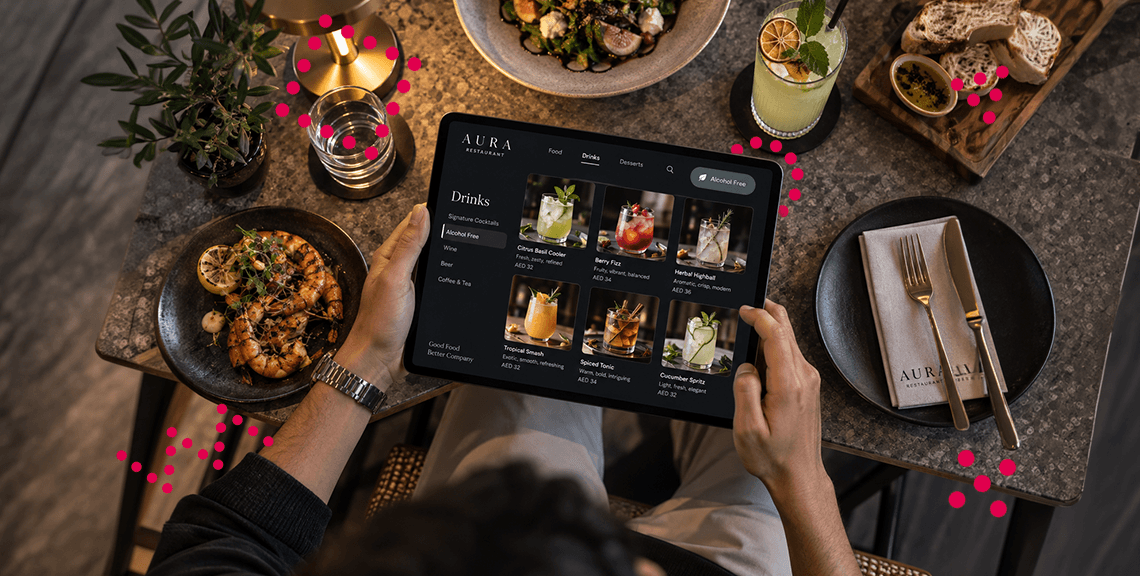
Give the category a deliberate architecture. Include at least one dry option, one recognisable substitute, one drink with strong food-pairing potential and one visually distinctive choice. Where appropriate, add serving size, ingredients and nutritional information so customers can compare confidently. Filtering a QR code menu can also help guests find alcohol-free choices without having to search through every drink category or ask a member of staff.
Price the Product, Not the Missing Alcohol
Guests do not value a drink according to what has been removed. They value ingredients, craft, presentation, relevance and the quality of the experience. A carefully built alcohol-free serve may require distilled botanicals, fresh produce, specialist garnishes, glassware and the same preparation time as a cocktail. Pricing it like a soft drink can erode margins and signal it is an inferior option.
However, a premium cannot be assumed. A PLOS study of 1,021 consumers in Australia and New Zealand found stronger willingness to pay more for healthy beverages among younger people and frequent diners. Healthy-eating goals increased that willingness, while economising goals reduced it. The same research found that consumers commonly associated healthy drinks with little or no sugar, natural ingredients and vitamins or minerals.
Use those findings as a testing prompt, not permission to make vague health claims. Price from the recipe cost and target margin, then make the value visible through specific ingredients, preparation and sensory language. If nutritional or health information is supplied, keep it accurate and restrained. A digital restaurant menu can include that detail without crowding the main description, allowing interested guests to investigate while everyone else can continue browsing.
Merchandise It Like a Serious Beverage Category
Placement changes perception. A small ‘mocktails’ box below soft drinks frames the range as a compromise. Consider grouping drinks by flavour, occasion or pairing instead, while retaining an alcohol-free filter for customers who need it. This allows a citrus-led spritz, fermented tea or botanical highball to compete on appeal rather than apology.
Descriptions should lead with taste and structure: crisp, bitter, aromatic, smoky, tart or sparkling. State ‘alcohol-free’ clearly, but avoid making absence the entire story. The same discipline used to write stronger food descriptions applies here. Explain what the guest will experience, not merely what the drink contains.
Images can show glassware, colour, and garnish, while a short video can capture a pour, foam, or a tableside finish. Redro's guidance on video content is particularly relevant for drinks whose value is difficult to communicate through ingredients alone. On a QR code menu, that visual evidence sits beside the product at the moment of choice.
Run a Small Test Before Expanding the Range
Begin with a focused four- to six-drink range and review it over a defined period. Keep recipes and presentation consistent so the results reflect demand rather than uneven execution. The most useful review combines sales data with what guests actually browsed, asked about and paired with food.
A practical monthly review should ask:
- Which alcohol-free drinks receive attention but convert poorly, suggesting a price or description problem?
- Which dishes are ordered with them, and where could a pairing recommendation reduce uncertainty?
- Do guests use the alcohol-free filter, or discover the drinks through flavour and occasion categories?
- Which options produce repeat orders without adding excessive prep time, spoilage or service complexity?
Customer polls and short surveys can explain patterns that sales alone cannot. Test one variable at a time, such as category name, image, description, price or pairing. Otherwise, an uplift may look encouraging without revealing its cause.
Give Alcohol Free Drinks Equal Strategic Attention
The lasting shift is not that every guest will stop drinking. It is that more occasions now include people who want something sophisticated without alcohol, whether for health, moderation, religion, driving or simple preference. Restaurants that treat those guests as a distinct but valuable audience can protect beverage revenue while making the table feel more inclusive.
Redro can help restaurants put that strategy into practice through a brand-customised digital restaurant menu with rich descriptions, images, and video; nutritional and health information; search, filtering, and recommendations; analytics; surveys; and instant updates from a single source of truth. The technology makes experimentation easier, but the advantage comes from respecting alcohol-free drinks as products worth designing, pricing and measuring properly.

Join the Culinary Revolution!
Transform your dining experience with Redro. Boost efficiency, delight diners, and fire up your sales. It’s more than a menu—it’s a game-changer for your brand.